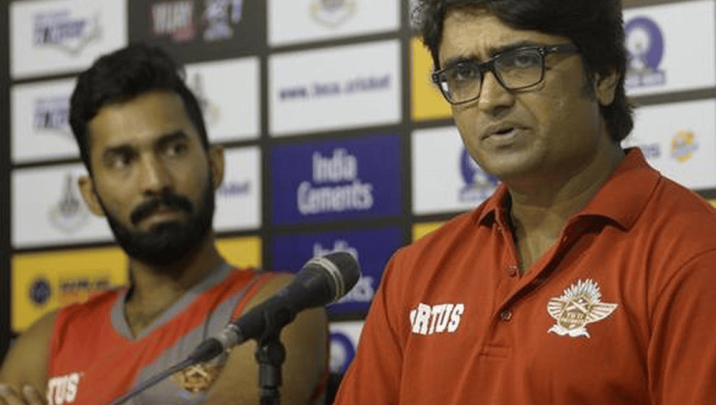
The appointment of Monty Desai as head coach of the Canadian men's team may, at first glance, appear like a routine cricketing decision. In reality, it lands at the heart of one of the most turbulent phases in Cricket Canada's recent history and could signal the first tangible shift toward professionalism in a system long dogged by allegations of mismanagement, corruption, and controversies such as the arrest of formerly serving CEO Salman Khan for 'theft and fraud'. With a slew of board director spots up for grabs at the decisive AGM on May 9, Canadian cricket finds itself at an inflection point.
The appointment comes a fortnight after the explosive revelations by CBC News on April 15, which laid bare governance failures, alleged corruption, and the potential influence of antisocial elements within Cricket Canada. What paved the path for a figure like Monty Desai was a sweeping administrative shake-up, a court-ordered ouster of then-president Amjad Bajwa, the removal of Praim Persaud at the Special General Meeting (SGM) on April 9, and the resignation of former secretary Maninder Gill, who stepped aside amid mounting pressure from provincial bodies.
At that same SGM, Amrinder Khosa of British Columbia was appointed interim president, tasked with steering the board until the all-important Annual General Meeting (AGM) on May 9. That AGM now looms as a defining moment, one where reformists could finally wrest control from the old guard and set the tone for a long-overdue reset in Canadian cricket governance.
Within this volatile backdrop, Desai's appointment stands out. A coach with a long and unblemished resume, including stints in high-performance environments such as the Indian Premier League ecosystem, Desai represents a departure from the opaque and often questionable coaching choices that followed the exit of Pubudu Dassanayake in 2024. The intervening period saw figures like Khurram Chouhan, whose name has surfaced in fixing-related allegations, operating within a system widely perceived as compromised.
Desai's arrival does more than fill a vacancy. It introduces accountability. His stature and independence are expected to influence not just team culture but also key decisions such as captaincy, an area that has recently been at the center of controversy. A coach empowered to back his own leadership group could serve as a natural check against external interference and, crucially, curb the proliferation of spot-fixing vulnerabilities within the national setup.
However, the road to reform is far from linear. While the SGM ushered in some fresh faces, it stopped short of a complete overhaul. The appointment of a new, relatively untainted secretary in Paramjit Shahi, widely believed to have played a role in bringing Desai on board has been viewed as a positive step. Yet interim president Khosa himself finds his position under scrutiny following the CBC investigation.
The report suggests Khosa maintained proximity to individuals linked to the Bishnoi gang who allegedly threatened a senior national player with consequences if Dilpreet Bajwa and another cricketer were dropped. For the record, Khosa has denied his links with the gang.
For clarity, there is no evidence to suggest that Dilpreet's appointment as captain was made at Khosa's behest. However, the fact remains that the rapid elevation of the 22-year-old to the captaincy ahead of the T20 World Cup was met with widespread suspicion within Canadian cricketing circles. Compounding those concerns, the same report indicates that Bajwa is now under investigation by the International Cricket Council for alleged spot-fixing. These claims cast a long shadow, raising the very real possibility that leadership could change hands again at the AGM, with reformists pushing for a cleaner slate at the top.


